

Carbon running shoes have revolutionized the running world in recent years.
They promise not only elite athletes but also ambitious recreational runners faster times and better performance.
But how exactly do these shoes work, and are they really suitable for everyone? At HDsports, we take a look at the technology behind carbon running shoes, their advantages, and the potential risks.
The technology behind carbon running shoes
The key to the fast times achieved with carbon running shoes lies in their special construction. These shoes contain a thin, springy carbon plate embedded in the midsole. This plate gives the shoe high stiffness and ensures better energy transfer while running.
In addition, the midsole of most carbon running shoes is made from a special, extremely lightweight and highly responsive foam. This foam provides effective cushioning and supports energy return with every step. The combination of the stiff carbon plate and the responsive foam reduces energy loss and enables runners to run more efficiently.
Advantages of carbon running shoes
1. Improved efficiency:
Studies have shown that carbon running shoes can reduce energy expenditure while running. This leads to improved running economy and allows runners to run faster and longer without using more energy.
2. Lower weight:
Carbon running shoes are often lighter than conventional running shoes. A lower shoe weight means less strain on the legs, which is particularly beneficial over long distances.
3. Faster times:
Many runners report improved race times through the use of carbon running shoes. This has led to numerous new records and personal bests in both amateur and professional sports. However, elite runners benefit primarily from these models. We explain why this is the case in the following points.
Suitability for recreational runners
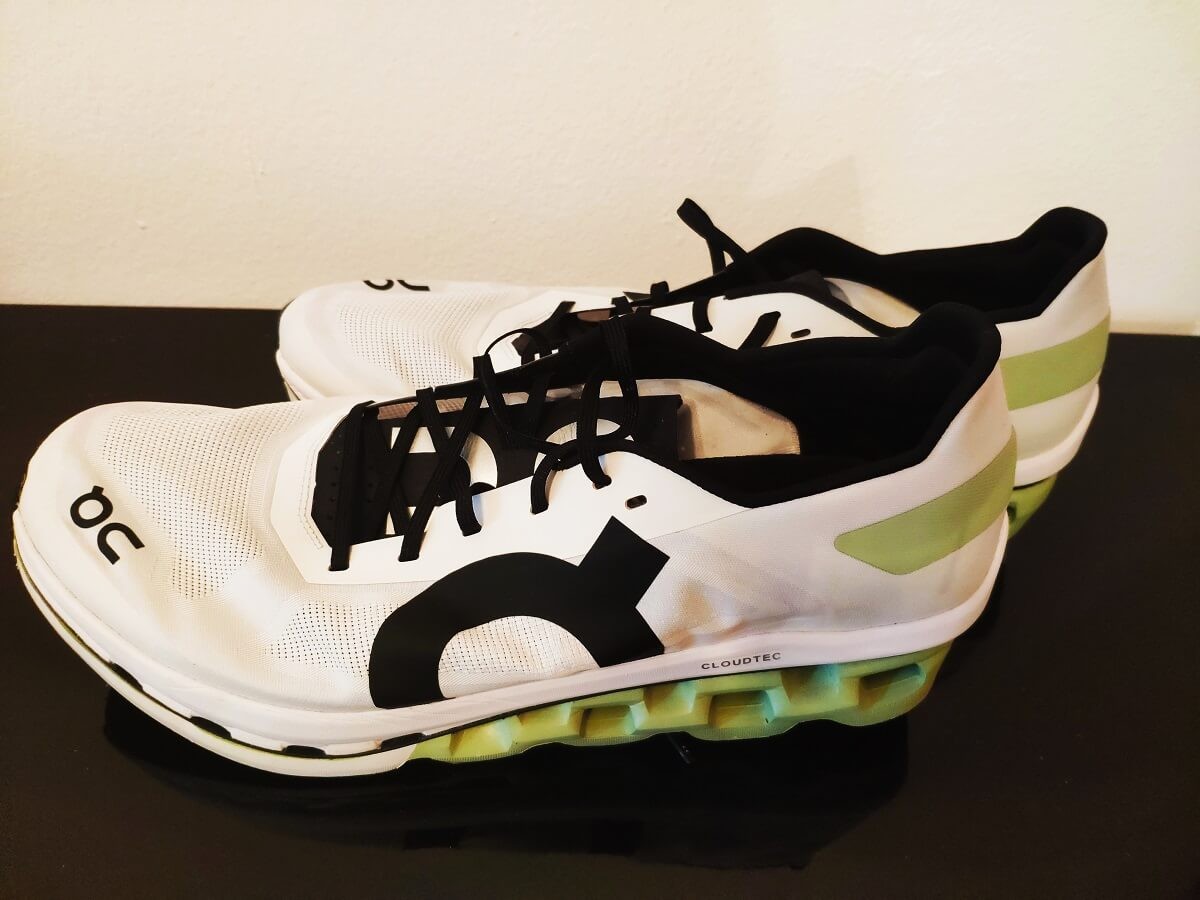
While carbon running shoes clearly offer advantages for performance-oriented runners, the question arises whether they are also suitable for recreational runners. The following aspects must be considered:
Cost: Carbon running shoes are generally more expensive than conventional running shoes. For recreational runners who do not regularly participate in competitions, the high investment may not be justified.
Risk of injury: The stiff carbon plate can be problematic for inexperienced runners or runners with poor running technique. They may increase the risk of overuse injuries, as the shoes require proper running form.
Frequency of use: Recreational runners who only run occasionally may notice less benefit from carbon running shoes. For occasional training sessions, conventional running shoes are often sufficient. Lightweight carbon running shoes only provide a noticeably effective benefit at speeds of around 15 km/h or faster, which equals 4 minutes per kilometer.
Risks and disadvantages of carbon running shoes
- Overuse injuries: The high stiffness of the carbon plate can lead to overuse injuries, especially in runners who are not accustomed to the additional demands on their muscles and tendons.
- Shortened lifespan: The special materials from which carbon running shoes are made tend to wear out faster than conventional running shoes. This means they need to be replaced more frequently, which can cause additional costs. Very lightweight carbon shoes are worn out after only around 300 kilometers. Conventional running shoes, on the other hand, can be worn about three times as long, even at a lower purchase price.
- Technique dependency: Carbon running shoes only reach their full potential in runners with good running technique. Beginners or runners with poor technique may not experience the same benefits and may even face disadvantages due to the unfamiliar stiffness of the shoes.
- No advantage for slow runners: Apart from the placebo effect, carbon running shoes have virtually no positive effect at slow running speeds. This is also confirmed by many experts. It can be assumed that at speeds below 15 km/h, the positive effect of carbon running shoes is greatly reduced. Anyone who runs a marathon in well over three hours definitely does not need carbon shoes.
Summary and our conclusion
Thanks to their innovative technology, carbon running shoes offer significant advantages for ambitious runners and professionals. They improve running economy, enable faster times, and are lighter than conventional running shoes. For recreational runners, however, the question remains whether the high costs and potential risk of injury justify the benefits. Runners should carefully weigh their individual needs and running goals before investing in a pair of carbon running shoes. It is also important to review and, if necessary, improve one's running technique in order to make optimal use of the advantages of these high tech shoes.
More on the topic of carbon running shoes:
- Best carbon running shoes in comparison and test
- Carbon running shoes: Advantages and disadvantages



Kommentar schreiben